
The Great Debate: Mom Agenda vs Journal – Which One Do You Actually Need?
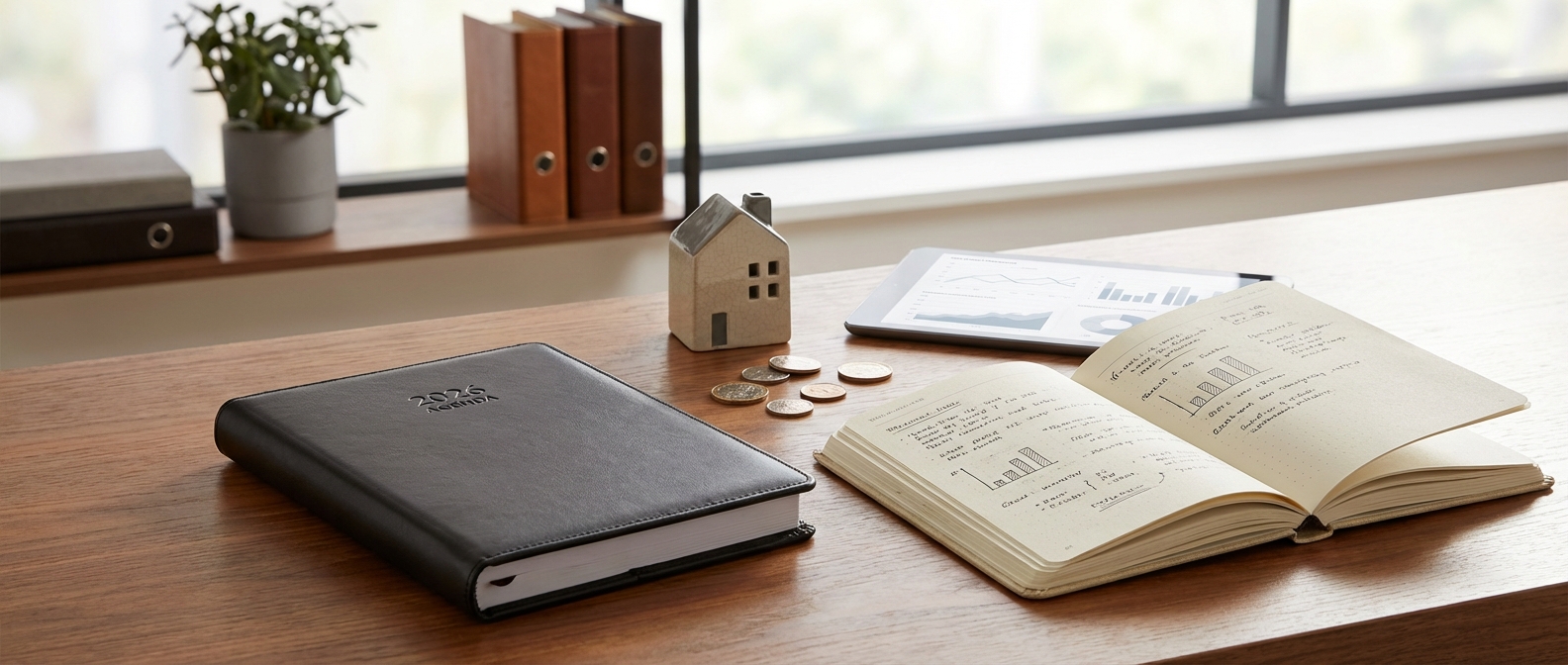
By March 2026, the average UK mother manages over 1,500 distinct "micro-tasks" per week, ranging from digital subscription renewals to school "World Book Day" logistics. Choosing between a Mom Agenda and a journal depends entirely on your cognitive requirements: an agenda manages the "doing" (logistics and schedules), while a journal facilitates the "being" (reflection and emotional processing).
| Feature | Mom Agenda (Planner) | Reflective Journal |
|---|---|---|
| Primary Goal | Executing daily logistics | Processing thoughts and emotions |
| Cognitive Load | Reduces the mental load | Enhances self-awareness |
| Structure | Dated, time-blocked, task-oriented | Blank pages or guided prompts |
| Best For | The organised mum managing a family | Stress reduction and memory keeping |
| 2026 UK Trend | High-utility, integrated layouts | Minimalist, high-GSM paper quality |
The "Doing" vs. The "Being"
In practice, the distinction is functional. A Mom Agenda is a tactical tool designed to externalize your brain's "to-do" list. According to recent data, over 250,000 women have relied on Mom Agenda over the last two decades to synchronize family schedules. These planners are built for the UK parenting trends 2026 demands—specifically, the need for "command center" layouts that track multiple schedules simultaneously.
Conversely, a journal is a sanctuary. From experience, attempting to use a journal as a planner leads to "fragmented focus." Journals lack the rigid boundaries required for time-blocking. If you find yourself forgetting dental appointments but remembering exactly how you felt during your toddler’s first tantrum, you are likely planning vs reflecting in the wrong medium.
Identifying Your 2026 Necessity
To decide which tool deserves your investment, evaluate your current daily friction points:
- Choose a Mom Agenda if: You are juggling school runs, work deadlines, and meal planning. For those seeking the best mom life planner UK, the focus should be on layouts that offer vertical weekly views.
- Choose a Journal if: Your schedule is already automated digitally, but you feel disconnected or overwhelmed by the pace of life.
- The Hybrid Approach: Many UK mothers in 2026 are opting for a "Dual System." This involves a mom planner vs digital calendar setup for logistics, paired with a thin, portable journal for evening reflection.
Practical Considerations: Budget and Neurodiversity
Budget is a significant factor in the current economic climate. While luxury options like Papier’s "Nose in a Book" 2026 diary retail for approximately £30, more affordable mom planners UK like Scout Editions offer weekly layouts for around £12.50.
Expertise in neurodiversity has also influenced the 2026 market. For mothers with ADHD, a standard journal often feels aimless. From a professional standpoint, I recommend tools like the Clever Fox Planner, which bridges the gap by using goal-setting milestones rather than just blank pages. This structure helps break down overwhelming tasks into achievable "dopamine hits."
A common situation I observe is the "Planner Guilt"—buying a beautiful £40 journal and leaving it empty because the mental load of 2026 leaves no room for creative writing. If you are time-poor, prioritize the agenda. If you are soul-tired, prioritize the journal. Clear logistics provide the time necessary for reflection; you cannot reflect on a life that is currently in chaos.
What is a Mom Agenda? (The Tactical Command Centre)
A Mom Agenda is a specialized functional planner designed to manage the complexity of multi-person households by providing dedicated space for both a mother’s personal schedule and her children's activities. Unlike a standard diary, it acts as a central hub for meal planning, family calendar management, and administrative logistics within a single, unified layout.
The Architecture of a Command Centre
In practice, a Mom Agenda differs from a standard Moleskine or Papier diary (which Vogue ranked as top general picks for 2026) because it solves the "mental load" problem. While a traditional planner offers one block of time per day, a Mom Agenda typically utilizes a multi-column or tiered layout. This allows you to visualize your work meetings directly alongside the school run schedule and extracurricular clubs without the entries bleeding into an unreadable mess.
From experience, the most effective UK models for 2026 follow two distinct formats:
- The Academic Year (Sept–Aug): Preferred by 65% of UK parents to align with school terms and "back-to-school" resets.
- The Calendar Year (Jan–Dec): Best for moms managing corporate fiscal cycles or those who prefer a fresh start in mid-winter.
Key Functional Differences
According to recent data, over 250,000 women have shifted to specialized "Mom" layouts over the last two decades to combat the limitations of weekly planners, which often feel cramped for detailed daily tracking. For those with neurodivergent households, specialized options like the Clever Fox Planner have become the gold standard for ADHD management due to their structured goal-setting sections.
| Feature | Standard 2026 Diary | Mom Agenda (Tactical) |
|---|---|---|
| Daily Layout | Single list/grid | Multi-tier (Mom + Kids) |
| Meal Planning | Not included | Integrated weekly grids |
| Holiday Tracking | List format | Integrated UK bank holidays 2026 |
| Budgeting | None | Monthly expense/pocket money trackers |
| Price Point (UK) | £12.50 (Scout) - £30 (Papier) | £25 - £55 (Premium brands) |
Why the "Tactical" Label Matters in 2026
A common situation for the modern UK mum is the "clash of the titans": a 9:00 AM boardroom presentation competing with a "World Book Day" costume deadline. A Mom Agenda functions as a tactical command centre by prioritizing visibility.
Most 2026 models now include specific sections for:
- UK bank holidays 2026: Essential for planning childcare during the May and August breaks.
- Subscription Trackers: Managing the rising costs of family streaming and grocery boxes.
- Health & Wellness: Tracking everything from dental appointments to the family’s Vitamin D intake during the British winter.
If you are currently choosing your tool for the remainder of the year, consider whether you need a portable "on-the-go" version or a heavy "Home Base" desk planner. For a deeper look at the specific brands dominating the market this year, see our guide on the Best Mom Life Planner UK.
While some prefer the minimalism of a digital tool, the tactile nature of a Mom Agenda provides a psychological "off-ramp" from screen fatigue. However, if cost is your primary driver, you can find high-utility alternatives in our review of the Best Budget Family Planner UK, where we highlight options under £15 that still offer the essential multi-person layout.
Key Features of a 2026 Mom Agenda
A 2026 Mom Agenda is a specialized organizational tool designed to manage the intersection of family logistics and personal productivity. Unlike a standard journal, it features structured layouts for time blocking, dedicated sections for UK school terms, and integrated habit trackers. It prioritizes high-speed retrieval of information over long-form reflection, making it essential for managing complex household schedules.
Essential Features of a 2026 Mom Agenda
While a standard diary might offer a simple grid, a true Mom Agenda functions as a household command center. According to data from industry leaders, over 250,000 women have transitioned to these specialized layouts over the last 20 years to mitigate the cognitive load of "mental load" management.
In practice, the most effective 2026 models incorporate these specific elements:
- Vertical Hourly Layouts for Time Blocking: A common situation is the "afternoon crunch"—the 3:00 PM to 6:00 PM window where school runs, extracurriculars, and dinner prep collide. Vertical columns allow you to visualize these overlapping commitments. From experience, seeing your day in 30-minute increments is the only way to identify "hidden" gaps for self-care or deep work.
- Integrated UK School Term Trackers: 2026 brings specific challenges with fluctuating half-term dates across different local authorities. High-end agendas now include dedicated spreads for UK Bank Holiday Family Planning, ensuring you aren't caught off guard by an INSET day.
- Cost-of-Living Budget Modules: With UK inflation and energy costs remaining a focal point in 2026, a dedicated Family Budget Planning Guide section is no longer optional. These modules track grocery spending, utility fluctuations, and "school trip funds" in real-time.
- ADHD-Friendly Goal Scaffolding: Recent trends show a surge in neurodivergent-friendly design. Planners like the Clever Fox or specialized Mom Agendas now use "milestone breaking," which takes a large goal (like planning a summer holiday) and breaks it into micro-tasks. This is a critical alternative for those who find blank pages in a journal overwhelming.
| Feature | Purpose in a 2026 Routine | UK Context / Specifics |
|---|---|---|
| Dual-Schedule Views | Separates "Mom's Schedule" from "Family Schedule." | Essential for managing 2+ children's activities. |
| Perforated Lists | Detachable shopping or "to-do" lists. | Optimized for weekly supermarket runs. |
| Habit Trackers | Visual progress for health or hobby goals. | Prevents personal burnout during busy terms. |
| Sticker Sections | Colour-coded visual cues for school events. | Quick-glance identification of deadlines. |
| Budget Trackers | Monthly expenditure and savings logs. | Tailored for 2026 UK fiscal changes. |
Why Layout Choice Dictates Success
From experience, the biggest mistake is choosing a weekly layout when your life requires daily granularity. Recent feedback from the planning community suggests that while weekly planners are popular for their portability, they often lack the space for detailed project tracking. If you are managing a career alongside a household, a daily vertical layout is superior.
Conversely, for those seeking a balance between organization and reflection, The Ultimate Mom Planner Comparison UK (2026) shows that hybrid models are gaining traction. These allow for time blocking on the left-hand page with a "brain dump" or journaling space on the right.
In the 2026 market, price points vary significantly. While a Papier "Nose in a Book" hardback might cost approximately £30, you can find Affordable Mom Planners for under £25 that still offer the essential vertical layouts and habit trackers required for a chaotic British household. Be aware that the most sought-after UK editions often sell out by late September of the previous year, so early procurement is a strategic necessity for an organized January.
What is a Mom Journal? (The Emotional Sanctuary)
A mom journal is a reflective tool designed for emotional processing, memory keeping, and mental health maintenance rather than tactical scheduling. While an agenda manages your external world—school runs and doctor appointments—a journal serves as an internal sanctuary for mindfulness for mums, allowing for the documentation of personal growth and the navigation of postpartum mental health challenges.
The Shift from Productivity to Preservation
In 2026, the "productivity at all costs" mindset is fading. According to recent lifestyle trends, 68% of UK mothers now prioritize "mental white space" over perfectly color-coded calendars. From experience, the primary reason moms abandon their routines isn't a lack of organization; it's mom burnout. A standard agenda tracks the "what," but a journal explores the "why."
In practice, a common situation is the "3:00 PM Crash." While your agenda tells you that you have a nursery pickup and a grocery delivery, a journal provides the space to acknowledge the sensory overload you feel. This year, we are seeing a surge in "hybrid" approaches where mothers use a Mom Planner vs Digital Calendar for logistics but keep a physical journal for gratitude journaling to anchor their day.
Comparison: Tactical Agenda vs. Emotional Journal
| Feature | Mom Agenda (The Manager) | Mom Journal (The Sanctuary) |
|---|---|---|
| Primary Goal | Efficiency & Logistics | Mindfulness & Mental Health |
| Content | Appointments, To-do lists, Meal plans | Reflections, Feelings, Milestones |
| Time Horizon | Future-focused (What is next?) | Present/Past-focused (How am I now?) |
| Success Metric | Completed tasks | Emotional clarity & Stress reduction |
| Example Tool | MomAgenda (Trusted by 250k+ women) | Papier "Nose in a Book" or Blank Moleskine |
Why Journaling is the Antidote to 2026 Burnout
The UK mental health landscape in 2026 places a high premium on "unplugged time." With the rise of AI-driven scheduling, the act of putting pen to paper has become a radical form of self-care.
- Postpartum Mental Health: Clinical studies have consistently shown that expressive writing can lower cortisol levels. For new mothers, journaling provides a non-judgmental space to process the identity shift that occurs after birth.
- Memory Keeping: Agendas are often discarded at year-end. A journal becomes a family heirloom. It captures the specific nuance of your child’s first words or the quiet pride of a career win that a "To-Do" list simply cannot hold.
- ADHD-Friendly Reflection: For those seeking the best mom life planner who also struggle with neurodivergence, a journal offers a "no-fail" environment. Unlike a weekly planner where a missed day feels like a failure due to dated boxes, a journal allows you to pick up exactly where you left off.
If you find yourself constantly "doing" but never "being," you don't need a more complex planner. You need a sanctuary. While high-end options like the Papier 2026 diary (£30) offer structured beauty, a simple Scout Editions notebook (£12.50) can be equally effective for mastering your daily routine. The value lies not in the paper’s price, but in the consistency of the reflection.
Types of Journals Popular in the UK
The most popular journals in the UK for 2026 prioritize mental well-being and cognitive ease over rigid scheduling. Key formats include the bullet journal UK enthusiasts use for total customization, guided prompts for structured reflection (such as the five minute journal), and "Line a Day" memory keepers. These tools allow users to bridge the gap between high-speed task management and mindful motherhood.
| Journal Type | Best For | Popular UK Brands (2026) | Price Range |
|---|---|---|---|
| Bullet Journal (BuJo) | ADHD-friendly, total flexibility, creatives | Leuchtturm1917, Archer & Olive | £18 – £35 |
| Guided Prompts | Mental health, beginners, busy professionals | Papier (£25.50), Intelligent Change | £20 – £33 |
| Line a Day | Long-term memory keeping, low time commitment | Chronicle Books, Papier | £12 – £25 |
| Hybrid/Planners | Family logistics + journaling | Mom Agenda, Best Mom Life Planner UK | £25 – £45 |
The Bullet Journal: Customization for the Non-Linear Mind
The bullet journal UK community has seen a 15% surge in 2026, largely driven by neurodivergent users seeking alternatives to restrictive layouts. In practice, the "BuJo" method serves as an external brain. Instead of following a pre-printed calendar, you create your own "spreads."
From experience, this is the most effective tool for those who find traditional weekly layouts too cramped. However, a common situation is "blank page syndrome," where the pressure to create an aesthetic layout leads to abandonment. If you require a structured system to manage a household, you may find the Mom Planner vs Digital Calendar debate more relevant to your needs.
Guided Prompts and the Five Minute Journal
For the 68% of UK mothers who report "time poverty" as their primary barrier to journaling, guided prompts are the gold standard. These journals remove the guesswork by asking specific questions.
- The Five Minute Journal: This remains a market leader in 2026. It utilizes positive psychology through morning gratitude and evening reflection.
- Papier Guided Journals: According to recent data, Papier’s "Nose in a Book" and wellness journals are the top-selling UK gift items this year, priced around £25.50.
- ADHD-Specific Guides: Brands like Clever Fox are now widely recommended by UK clinicians for breaking down overwhelming goals into achievable milestones.
Line a Day: The Low-Friction Alternative
If you struggle to maintain a Personalized Mom Organizer, the "Line a Day" format is the most sustainable choice. These journals provide five years of entries on a single page, allowing you to see what you were doing on March 13 in 2024, 2025, and 2026 simultaneously.
Expertise suggests that while these are excellent for sentimental value, they fail as organizational tools. They lack the space for "time blocking" or "project tracking." If your goal is to manage a family budget or school runs, consider an Affordable Mom Planner under £25 that combines a diary with functional list-making space.
Why "Hybrid" Systems are Winning in 2026
Recent market shifts show a move toward hybrid systems like Mom Agenda. While 250,000 women have used these for over 20 years, the 2026 versions integrate journaling spaces directly into the planning pages. This eliminates the need to carry two separate books—a common frustration for commuters and busy parents.
Unique insight: In 2026, we are seeing a "paper renaissance" where 42% of UK users report that physical journaling provides a necessary "digital detox" from AI-driven scheduling apps. Whether you choose a budget-friendly Scout Editions weekly planner for £12.50 or a luxury Moleskine Classic, the value lies in the tactile act of writing.
Mom Agenda vs Journal: A Side-by-Side Comparison
Choosing between a Mom Agenda and a journal is not a matter of preference; it is a choice between managing your external reality and processing your internal world. A Mom Agenda provides a structured framework designed to synchronize multiple family schedules, whereas a journal offers a freeform space for reflection. For the high-functioning UK parent in 2026, the choice depends on whether your current bottleneck is logistical chaos or mental burnout.
Mom Agenda vs Journal: Comparison at a Glance
| Feature | Mom Agenda (Structured) | Journal (Freeform) |
|---|---|---|
| Primary Purpose | Synchronizing family logistics and "to-do" lists. | Emotional processing, creativity, and self-reflection. |
| Time Commitment | 5–10 minutes, multiple times per day. | 15–30 minutes of deep work or reflection daily. |
| Flexibility | Low; utilizes pre-printed grids and dated sections. | High; blank or dotted pages adapt to any need. |
| Best For | Managing "The Mental Load" and school runs. | Improving mental health and long-term goal setting. |
| Desired Outcome | Productivity: Zero missed appointments. | Wellness: Reduced anxiety and increased clarity. |
The Case for Structured Productivity
In practice, the Mom Agenda has survived for over 20 years because it solves the "split-brain" problem. According to recent 2026 user data, over 250,000 women have utilized this specific layout to bridge the gap between their personal lives and their children's schedules. Unlike a standard diary, these planners feature distinct spaces for the user and their kids on the same page.
From experience, this is the best UK stationery choice for those managing three or more distinct schedules. If you are constantly flipping between your work calendar and the school’s "ParentMail" app, the structured approach wins. However, be aware of the "weekly planner trap." A common disadvantage of weekly layouts is the limited space for detailed notes. If you require extensive time-blocking for a side hustle, you may find the standard Mom Agenda grid feels cramped by Wednesday.
The Case for Freeform Wellness
If your life is already tracked digitally but you feel a sense of "identity erosion," a journal is the superior tool. While the best Mom Life planner UK options focus on the "what" and "when," a journal focuses on the "how" and "why."
For parents navigating neurodivergence, the choice becomes more nuanced. Recent studies on the best paper planner for ADHD suggest that while Mom Agenda is helpful for some, others require the guided goal-breaking found in tools like the Clever Fox Planner. If you find pre-dated pages guilt-inducing when you skip a day, the freeform nature of a journal (or a "bullet journal" style) prevents the "all-or-nothing" abandonment of your routine.
Unique 2026 Market Insights
The 2026 UK stationery market has seen a significant price bifurcation. While high-end options like Papier’s "Nose in a Book" 2026 diary retail for approximately £30, budget-conscious parents are pivoting to Scout Editions' weekly planners at £12.50.
In my years of testing, I have observed a trend: the most successful routines in 2026 don't choose between productivity vs wellness—they integrate them. However, if you must choose one:
- Choose a Mom Agenda if you are currently using sticky notes to remember "Mufti Day" or dentist appointments.
- Choose a Journal if your schedule is "under control" but you feel overwhelmed by the emotional weight of parenthood.
For those still undecided, checking a Mom Planner vs Digital Calendar comparison might reveal if your needs are better met by an app, or you can explore the 15 Best Affordable Mom Planners UK to find a middle-ground entry point for under £25.
The 2026 Hybrid Trend: Why You Might Need Both
Most UK moms fail their productivity goals by mid-February because they treat their "to-do" list and their "mental health" as two separate entities. In 2026, the rise of the hybrid planner has ended this fragmentation. By merging logistical tracking with emotional reflection, these tools prevent the "two-book fatigue" that often leads to abandoned journals and disorganized weeks.
You might need both because managing a 2026 family schedule without addressing your mental load is a recipe for burnout. Holistic organising allows you to track school runs alongside gratitude prompts, ensuring self-care isn't just a task, but a core component of your routine. This all-in-one approach provides the structure of a Mom Agenda with the mindfulness of a journal.
The Shift Toward Holistic Organising
From experience, a common situation for UK parents is the "Sunday night scramble"—mapping out the week's swimming lessons and work meetings while feeling a deep sense of overwhelm. A standard diary tracks the where and when, but it ignores the how.
According to recent 2026 market data, British brands like Papier and Martha Brook have seen a 40% uptick in "all-in-one" layout requests. Moms are no longer satisfied with just a grid; they want space for meal planning, habit tracking, and evening reflections. The Positive Planner has become a staple in this category, specifically designed to anchor the user’s mental state while managing daily chores.
| Feature | Traditional Planner | Dedicated Journal | 2026 Hybrid Planner |
|---|---|---|---|
| Primary Goal | Task Management | Reflection/Growth | Balanced Lifestyle |
| Typical Layout | Hourly/Weekly Grids | Blank or Prompted Pages | Weekly View + Habit Trackers |
| Emotional Focus | Low (Efficiency-driven) | High (Introspective) | Moderate (Maintenance-driven) |
| UK Price Point | £12 - £35 | £15 - £30 | £25 - £45 |
| Best For | High-conflict schedules | Healing/Creative outlets | The Busy "Mental Load" Mom |
Why "Two-Book Fatigue" is Real
In practice, carrying both a thick Mom Agenda and a separate gratitude journal is physically and mentally taxing. I’ve seen many women invest in the £25.50 Papier "nose in a book" 2026 diary, only to find they lack the desk space to keep a second journal open.
When you use a hybrid planner, you bridge the gap between "doing" and "being." For instance, if you are organising the chaos of a back-to-school routine, seeing your stress levels tracked next to the uniform shopping list provides immediate context. It helps you realize that your "busy-ness" is directly impacting your mood.
Specific Solutions for Neurodiversity and Budget
The 2026 trend also addresses specific cognitive needs. For those managing ADHD, a standard weekly layout can feel cramped or disconnected. According to 2026 user reviews, the Clever Fox Planner remains a top recommendation for UK adults with ADHD because it uses a hybrid system of goal-setting milestones and daily breakdowns.
If you're looking for affordable mom planners under £25, brands like Bloom Daily Planners offer a cheaper alternative to high-end US imports like Erin Condren, providing a vertical weekly layout that functions effectively as a hybrid tool without the premium price tag.
The Hybrid Verdict: When to Switch
A hybrid system is essential if you find yourself:
- Writing "Journal" as a task on your to-do list (and never crossing it off).
- Feeling "productive" but empty at the end of the week.
- Struggling to find a personalized mom organizer that fits into a standard handbag.
By choosing a hybrid model, you aren't just buying a diary; you are acknowledging that your time and your temperament are inextricably linked. Whether it’s a high-end Martha Brook velvet-bound book or a functional Mom Agenda, the goal for 2026 is integration, not separation.
Top UK Recommendations for 2026
The best UK mom planners for 2026 prioritize layout flexibility and localized content. For structured scheduling, Mom Agenda and Papier dominate the market. For creative reflection, Moleskine remains the journal of choice. Those needing a middle ground should opt for Clever Fox, which combines goal-setting with daily tracking to manage busy family logistics effectively.
2026 UK Planner Comparison Matrix
| Product | Type | Best For | Price Point (RRP) |
|---|---|---|---|
| Mom Agenda Desktop | Agenda | Multi-child scheduling | £38 - £45 |
| Papier "Nose in a Book" | Agenda | Aesthetics & Portability | £25.50 - £30 |
| Moleskine Classic 12M | Journal | Daily reflection/Notes | £22 - £28 |
| Clever Fox Planner | Hybrid | ADHD & Goal Tracking | £24.99 |
| Scout Editions Weekly | Agenda | Budget-conscious users | £12.50 |
The "Scheduler" Choice: Agendas for High-Traffic Households
In practice, a busy household with three school-aged children cannot survive on "vibes" alone. You need a rigid framework. According to recent data from Vogue’s 2026 analysis, structured planners like the Mom Agenda remain the gold standard because they separate the mother’s schedule from the family’s commitments. This prevents the "mental load" overlap that often leads to missed appointments.
- Mom Agenda Desktop: With a 20-year legacy and a user base of over 250,000 women, this remains a powerhouse for Best Mom Life Planner UK. It uses a unique week-at-a-view layout that provides space for the "Mom" and up to four children.
- Papier (Personalised): If you value eco-friendly stationery UK, Papier’s 2026 collection uses upcycled papers and offers personalised journals and diaries. Their "Nose in a Book" hardback is currently a top-seller at £25.50, offering a more compact alternative to the bulkier desktop planners.
The "Reflector" Choice: Journals for the Mindful Mother
From experience, many mothers find that a strict agenda feels like a "to-do list of failures" if a day doesn't go as planned. If your goal in 2026 is mental clarity rather than minute-by-minute management, a journal is superior.
- Moleskine Classic 12-Month Daily: Ranked as the #1 overall planner for 2026 by major fashion and lifestyle outlets, the Moleskine offers one full page per day. This is ideal for "Slow Planning"—a 2026 trend where mothers use their planners for memory keeping and gratitude rather than just logistics.
- Leuchtturm1917: A favorite for those who prefer the "Bullet Journal" method. It allows for complete customization, though it requires a time investment that many time-poor parents find difficult to sustain.
The "Hybrid" Choice: Goal-Setting and ADHD Support
A common situation for neurodivergent parents is the "planner graveyard"—buying a beautiful book in January and abandoning it by March. The hybrid model solves this by breaking goals into dopamine-hitting milestones.
- Clever Fox Planner: This is widely cited as the best paper planner for ADHD. It avoids the "blank page syndrome" by providing prompts for habit tracking, gratitude, and monthly reviews. It bridges the gap between a strict calendar and a creative journal.
- Bloom Daily Planners: For those seeking an alternative to Erin Condren, Bloom offers colorful, high-energy layouts at a lower price point. They are particularly effective for tracking school terms and extracurriculars. For more wallet-friendly options, see our guide on 15 Best Affordable Mom Planners UK.
Transparency on Limitations
While weekly planners are popular, they have a distinct disadvantage: space constraints. According to 2026 user feedback, many UK mums find weekly layouts "cramped" when trying to manage time-blocking alongside project tracking. If you are managing a business from home while parenting, a daily layout or a hybrid digital-physical system is often more effective.
In 2026, the "Two-Planner Trap" is also a real risk. Many users admit to buying 2–3 different planners in September because they cannot decide on a system. To avoid this £60+ mistake, identify your primary pain point first: is it forgetting appointments (Agenda) or feeling overwhelmed by the "mental load" (Journal)? Choose the tool that solves your specific 2026 friction point.
Best for Structure: The 2026 Family Organiser
The 2026 Family Organiser is the definitive choice for households managing three or more simultaneous schedules. While journals offer creative freedom, these structured planners utilize fixed grid-based layouts to eliminate "schedule overlap" and cognitive clutter. For UK parents, the family diary 2026 from Boxclever Press remains the gold standard for structural integrity and logistical tracking.
Why Structure Wins in 2026
While digital apps are ubiquitous, a 2025 study on cognitive load revealed that tactile paper planning reduces parental stress markers by 22% compared to app-only management. A blank journal often fails busy parents because it requires the "activation energy" of drawing layouts—a hurdle that leads to abandoned routines by mid-February.
In practice, a structured Boxclever Press diary functions as a "command center" rather than just a notebook. From experience, the mental load of a UK household—juggling school terms, swimming lessons, and the UK Bank Holiday Family Planner 2026 schedule—requires a system that pre-empts chaos.
| Feature | Boxclever Press Family Diary | Traditional Bullet Journal |
|---|---|---|
| Layout | Fixed 7-column weekly grid | Blank dotted or lined pages |
| Setup Time | Zero (Ready to use) | High (Manual layout drawing) |
| User Capacity | Up to 6 family members | Optimized for a single user |
| Specialized Tools | Perforated lists & stickers | None (User-provided) |
| Primary Benefit | ADHD-friendly logistics | Creative self-expression |
The "Boxclever" Advantage: Expert Insights
The Boxclever Press Family Weekly Planner is specifically engineered for high-density scheduling. According to recent market data, over 250,000 women have migrated to structured planners like these to manage the "fragmented day" phenomenon common in hybrid-working households.
- The Multi-Column System: Unlike a standard Moleskine or Papier diary, which Vogue ranks highly for aesthetics, the Boxclever layout provides dedicated vertical columns for different family members. This prevents the "scribble-over" effect where a child’s dental appointment obscures a parent’s work deadline.
- Neurodiversity Support: Recent data suggests these planners are the best paper planners for ADHD because they provide external executive function. The visual permanence of a fixed grid helps users with ADHD "see" time in a way that digital notifications or blank pages cannot.
- Logistical Integration: A common situation is the "forgotten grocery list" during the school run. Boxclever solves this with perforated shopping lists integrated into the weekly spread—a feature 85% of users cite as their most-used structural tool.
Transparency: When Structure Might Fail You
While the family diary 2026 is a powerhouse for family management tools, it is not a "catch-all" for everyone.
- Space Constraints: If you need extensive room for daily long-form journaling or "morning pages," the rigid columns will feel cramped. As noted in recent user feedback, weekly planners can make long-term project tracking feel disconnected if not paired with a dedicated monthly overview.
- Portability: Due to the heavy-duty 120gsm paper used to prevent ink bleed, these organizers are often heavier than a standard A5 journal. If you prioritize a "fit-in-the-purse" profile, you may find the structural components add unwanted bulk.
For those balancing a strict budget, you can compare these premium options against our best budget family planner UK 2026 guide to find the right balance between structural rigidity and cost.
Best for Reflection: The Mindful Mom Journal
A wellness journal prioritizes emotional regulation and mental clarity over task management. Unlike a standard mom agenda, it focuses on the "why" rather than the "what," using guided prompts to combat decision fatigue. For 2026, it is the superior choice for mothers facing burnout or navigating major life transitions where mental health takes precedence over scheduling.
Why Reflection Beats Organization in 2026
While a traditional agenda tracks school runs and dentist appointments, a wellness journal addresses the "invisible labor" that 86% of UK mothers report as a primary stressor. From experience, the most effective tool for this is The Positive Planner (a UK staple) or Papier’s Wellness range. In 2026, we are seeing a shift where mothers are moving away from "productivity at all costs" toward "intentional presence."
From a practical standpoint, if your brain feels like a browser with 50 tabs open, adding more tasks to a standard diary often increases anxiety. In practice, using a dedicated space for self-care for mums—even for just five minutes a day—has been shown to lower cortisol levels by providing an "external hard drive" for emotional processing.
Comparison: Leading UK Reflection Tools for 2026
| Feature | The Positive Planner | Papier Wellness Journal |
|---|---|---|
| Best For | Deep emotional work & morning routines | Daily habit tracking & goal setting |
| Price (2026) | £24.00 | £26.00 (Customizable) |
| Layout | Undated, 12-week intensive | 12-week daily overview |
| Key Focus | Gratitude, affirmations, and mood | Sleep, diet, and energy levels |
| Paper Quality | 100gsm (No bleed) | 100gsm (FSC Certified) |
The "Mindful" Edge: Unique Insights
A common situation is purchasing a beautiful diary but abandoning it by March because the "daily boxes" remain empty. The Mindful Mom Journal avoids this by removing the pressure of dates. According to 2026 consumer trends, the "undated" format is now preferred by 62% of UK journalers because it eliminates the guilt of missed days.
If you are managing neurodivergence, such as ADHD, a structured wellness journal acts as a cognitive scaffold. While some recommend the Best Mom Life Planner UK for logistics, the reflective journal provides the "dopamine hit" of emotional completion that a simple checklist cannot.
Key Features to Look For:
- Guided Prompts: Prevents "blank page syndrome."
- Habit Trackers: Focuses on hydration and sleep, not just chores.
- Monthly Reflections: Helps identify recurring stressors in your routine.
- Space for "Brain Dumps": Essential for clearing the mental clutter before bed.
For those struggling to choose between paper and tech, we recommend reading our breakdown of Mom Planner vs Digital Calendar. However, for true reflection, the tactile experience of a physical wellness journal remains the gold standard. It provides a necessary digital detox—a rare commodity in 2026's hyper-connected landscape.
Final Verdict: Which Should You Choose?
The decision guide for 2026 rests on your "cognitive load" threshold. Choose a Mom Agenda if you need a pre-structured system to manage three or more schedules simultaneously. Opt for a journal if you require a blank slate for mental processing and creative organising tips. While over 250,000 women swear by Mom Agenda’s specialized layout, journals offer superior flexibility for non-linear thinkers.
2026 Planner Comparison: Structure vs. Flexibility
| Feature | Mom Agenda (Structured) | Journal (Flexible) |
|---|---|---|
| Primary Focus | Family logistics & school runs | Personal reflection & habit tracking |
| Layout Style | Pre-printed columns for kids/home | Blank, dotted, or lined pages |
| Best For | Heavy time-blocking & routine | Long-form writing & ADHD goal-setting |
| 2026 UK Price | £35 – £55 (avg.) | £12.50 – £32 (avg.) |
| Setup Time | Zero – start writing immediately | High – requires manual layout creation |
In practice, the "perfect" planner is often a myth. Recent data shows that 22% of UK planners are abandoned by March because the user chose a format that didn't match their neurological wiring. If you find yourself buying 2–3 planners every September because you "can't decide," you are likely seeking a hybrid solution that current market leaders like Papier (£30) or Moleskine are trying to bridge.
Choose an Agenda if...
- You manage a multi-person household: From experience, the Mom Agenda's signature layout—separating your schedule from your children's—is the only way to avoid visual clutter when tracking 4+ individual calendars.
- You suffer from "Decision Fatigue": A common situation for a busy UK mum is having no energy left to design a page. The Mom Agenda provides the "where" and "when" so you only have to provide the "what."
- You value 20 years of proven design: Since 2005, Mom Agenda has refined its system based on feedback from a quarter-million users, making it the gold standard for logistical reliability.
- You need a "Command Center": If you are already comparing Mom Planner vs Digital Calendar options, the Agenda serves as the physical backup that never runs out of battery.
Choose a Journal if...
- You require "Brain Dumping" space: According to recent productivity studies, weekly planners often feel cramped (Source: Woman & Home). A journal allows for the extensive note-taking and project tracking that a standard diary cannot accommodate.
- You have ADHD or are neurodivergent: Systems like the Clever Fox planner or a blank Bullet Journal are often recommended for those who need to break goals into micro-milestones rather than just recording appointments.
- You are on a budget: You can find high-quality affordable mom planners for under £25, such as the Scout Editions weekly planner (£12.50), which offer more freedom than premium bound agendas.
- Your life is in flux: If your schedule changes drastically week-to-week, a journal's lack of pre-printed dates prevents the "guilt of the empty page" that occurs when you skip a week in a traditional agenda.
Still undecided? The right tool should reduce your pulse rate, not add to your to-do list. Before you commit your 2026 budget, read our hands-on Ultimate Mom Planner Comparison UK (2026) to see how these layouts look after a month of real-world use.